When people think about buying their first home, the deposit is usually the first number that comes to mind. But how much do you actually need to have saved?
The answer depends on more than the property's purchase price. From legal fees to insurance and ongoing household expenses, understanding the full cost of buying a home can help you prepare financially and avoid unexpected surprises.
Let's break it down.
1. YOUR HOME DEPOSIT
A deposit is the amount you contribute towards the purchase price of a property, with the remainder typically financed through a home loan.
In New Zealand, a 20% deposit is a common benchmark, but some buyers may qualify for lending with a smaller deposit.
For example, here's what different deposit percentages could look like for a property priced at $700,000:
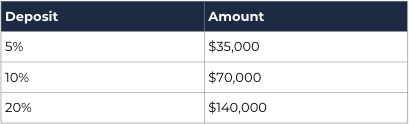
*These are illustrative calculations, not minimum lending requirements or indications of loan eligibility.
A smaller deposit doesn't automatically mean you can borrow the remaining amount. Lenders assess factors such as your income, existing debts, expenses, credit history, and the property itself.
Low-deposit lending may also come with additional costs or different interest rate conditions.
What to do: Ask a lender what deposit requirements apply to your circumstances rather than assuming you need a fixed percentage.
2. CAN KIWISAVER HELP WITH YOUR DEPOSIT?
If you're a KiwiSaver member, your savings may help you take an important step towards buying your first home.
According to Inland Revenue, eligible first-home buyers must have been KiwiSaver members for at least three years to make a first-home withdrawal.
You may be able to withdraw:
Your own contributions
Employer contributions
Government contributions
Investment returns
You must leave at least $1,000 in your KiwiSaver account. Funds transferred from an Australian complying superannuation scheme cannot be withdrawn under this provision.
Other eligibility requirements also apply.
What to do: Contact your KiwiSaver provider early to confirm your eligibility, how much may be available and when the funds can be released. Your lawyer can help coordinate the withdrawal with your purchase.
3. THE UPFRONT COSTS BEYOND YOUR DEPOSIT
Even after you've saved enough for a deposit, there are other expenses to plan for.
Legal fees
A lawyer or conveyancer helps review your sale and purchase agreement, investigate legal matters affecting the property, arrange the transfer of ownership, and manage settlement.
Ask for an estimate of fees and any additional costs that might arise.
Building inspection
A professional building inspection can help identify defects, maintenance issues, or potential problems with the property.
The cost depends on the property and the scope of the inspection.
LIM report
A Land Information Memorandum (LIM) is issued by the local council and contains information it holds about a property, which may include building consents, drainage, rates and natural hazard information.
Property valuation
Your lender may require a registered valuation before approving finance for a particular property.
Moving and setup expenses
Don't forget the practical costs of moving, connecting utilities, purchasing essential items, and making any immediate repairs.
You may incur some of these expenses before knowing whether your offer will be successful.
4. WHAT ABOUT THE DEPOSIT YOU PAY WHEN SIGNING A CONTRACT?
Here's something that can confuse first-home buyers: the deposit required under a sale and purchase agreement is not necessarily the same as the total deposit you contribute towards your home loan.
The purchase deposit is the amount agreed between buyer and seller under the contract. The amount and timing depend on the agreement and how the property is being sold.
Your total home loan deposit, on the other hand, is your overall contribution towards the purchase price.
It's important to understand when the contract deposit is due and whether your funds will be available at that time.
This is especially important if you plan to use KiwiSaver or are considering buying at auction.
What to do: Ask your lawyer and lender to explain how the contract deposit, your available savings, KiwiSaver withdrawal and final settlement payments will work together.
5. BUDGET FOR LIFE AFTER BUYING
Getting the keys is an exciting milestone, but it's also the beginning of your financial responsibilities as a homeowner.
Alongside mortgage repayments, you'll need to consider:
Council rates
Home and contents insurance
Electricity, water and internet
Regular maintenance and unexpected repairs
Body corporate levies, if applicable
It's also worth considering how your repayments might change if interest rates increase when your fixed-rate period ends.
A property may be within your approved borrowing limit but still leave your monthly budget feeling stretched.
What to do: Work out a realistic ongoing household budget and leave some room for unexpected expenses.
SO, HOW MUCH SHOULD YOU AIM TO SAVE?
There's no single amount that works for everyone.
Your savings target will depend on the property you're considering, the deposit your lender requires, your available KiwiSaver funds, your buying costs and the financial buffer you'd like to maintain.
Rather than focusing on the deposit alone, think about three things:
Your contribution towards the purchase price
The additional costs of buying
The money you'll need to comfortably manage home ownership
Understanding these amounts can help you set a more realistic savings goal.
START WITH THE NUMBERS, THEN MAKE A PLAN
Buying your first home is a major financial commitment. Taking time to understand the costs can help you make decisions based on what you can realistically afford, not just what you may be able to borrow.
You don't need to have all the answers immediately. Start by reviewing your finances, exploring your options and speaking with the right professionals.
Helpful NZ resources:
Disclaimer: This article is for general information only and does not constitute financial or legal advice. Deposit requirements, lending criteria, fees and KiwiSaver eligibility vary. Consult your lender, KiwiSaver provider and legal adviser for guidance specific to your circumstances.